

There's plenty of information about weight loss out there. Eat this, don't eat that. Do this, don't do that. It can feel overwhelming.
The truth is, the concept of weight loss is actually quite simple. I'm going to explain it in the most basic layman's terms. Once you've understood the concept, the next step is putting in the work, but not to the point where you're constantly unhappy or exhausted.
Before we get into that, though, we need to break a few common myths.
Kickstart Your Fitness Journey with Nike & Earn 6% Cashback!
1. Food Is Fuel, Not Your Enemy

Many people who want to lose weight think that eating less, or cutting out certain foods completely, is the key to success.
Well, yes... and no.
Yes, because eating less or eliminating certain foods can reduce the number of calories you consume. But no, because it's usually not sustainable. The moment you go back to eating those foods or return to your old habits, the weight often comes back.
Instead of seeing food as the enemy, start seeing it as fuel. Your body needs food to function, recover, and perform at its best. The real challenge isn't avoiding food altogether. It's learning to choose the right foods and eating them in the right amounts.
So let's start by understanding what eating the right foods actually means.
2. Exercise Alone Is Enough to Lose Weight

Many people believe they can lose weight simply by exercising without changing the way they eat.
Exercise certainly helps. It burns calories, improves your fitness, and offers countless health benefits. However, exercise alone is often not enough for significant weight loss.
After a workout, your body needs to recover, and you may feel hungrier than usual. If you consistently eat back more calories than you burn, it becomes much harder to lose weight.
So, should you still exercise? Absolutely.
The best results come from combining regular exercise with maintaining a calorie deficit. Think of exercise as a powerful tool that works alongside good nutrition, not as a replacement for it.
3. Losing Weight Means Losing Fat

Many people use the terms "weight loss" and "fat loss" interchangeably, but they're not the same thing.
When the number on the scale goes down, you're not just losing fat. You're also losing water, and if you're not eating enough protein or doing resistance training, you may lose muscle as well.
Muscle helps shape your body, supports your metabolism, and makes everyday movement easier. That's why the goal shouldn't simply be to weigh less. The goal should be to lose fat while preserving as much muscle as possible.
Now that we've cleared up some of the biggest myths about weight loss, let's look at how the body actually works in the simplest terms.
Get Your Exercise Gears from Decathlon & Enjoy Up to 2% Cashback!
Calories
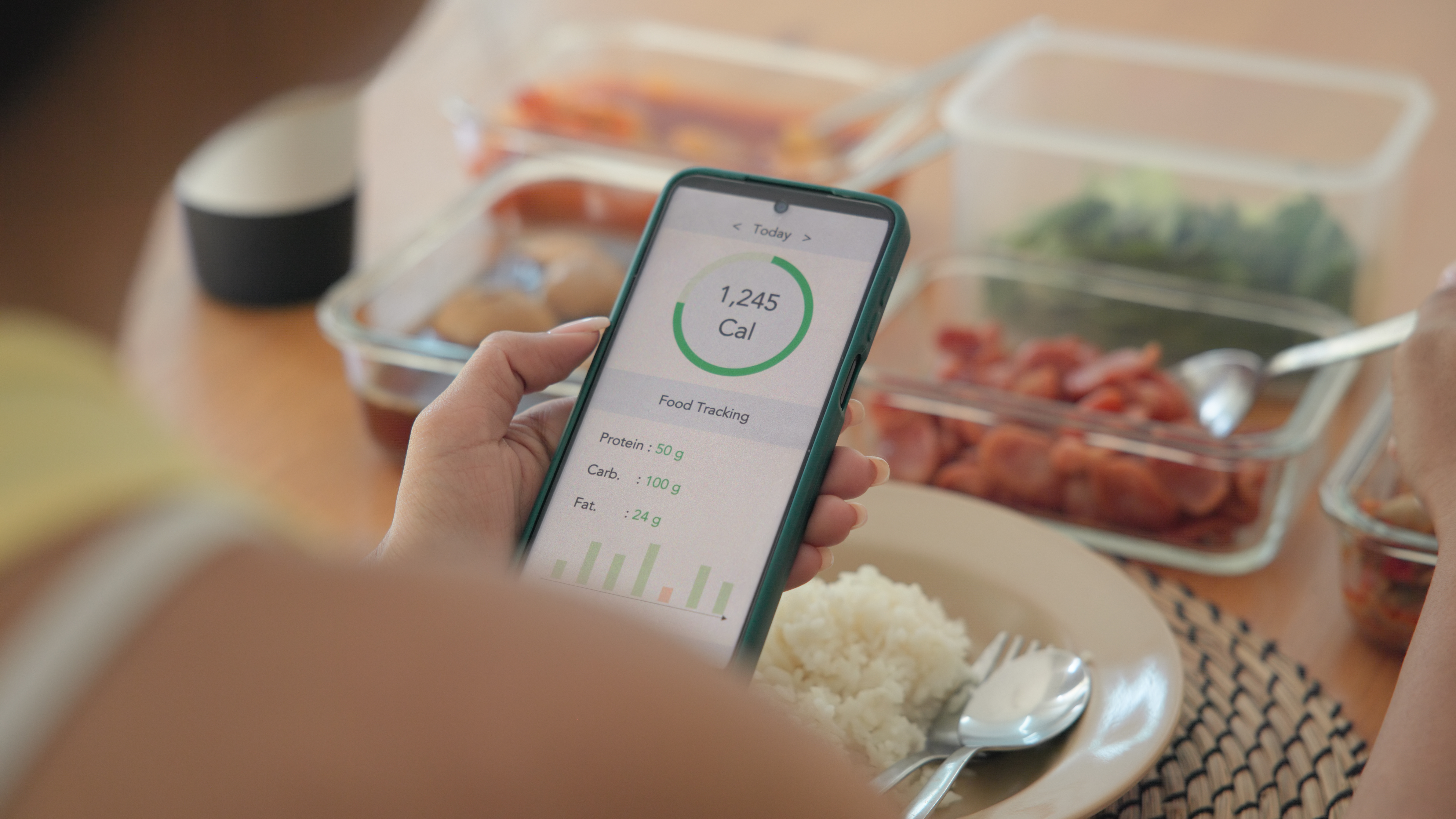
This scary word is actually pretty simple to understand. The only way to lose weight is to be in a calorie deficit.
Start by calculating your daily maintenance calories using an online calorie calculator. Before creating a calorie deficit, spend two weeks tracking your calorie intake to build the habit.
Next, reduce your daily calorie intake by 200 to 500 calories below your maintenance level. This refers to your overall daily calorie intake, which takes into account exercises that help burn calories.
Exercise

Now, what do we mean by "overall"?
Let's say your maintenance calories are 2,200. If you burn 300 calories through exercise, you've already created a calorie deficit. However, exercising also means your body needs enough fuel to recover and perform well. After a workout, hunger hormones can make you crave foods that are high in calories but not very filling. This can easily lead to eating back more calories than you burned, preventing you from staying in a calorie deficit.
This is why hitting your daily protein target is so important, which we'll explain in the next section.
The right type of exercise also helps you build a body you'll love. The fundamentals are simple: cardio exercises, such as running or spin classes, burn calories and can lead to the loss of both fat and muscle if not paired with proper nutrition and strength training. Strength training, on the other hand, helps shape your physique while preserving and building lean muscle mass. It also boosts your resting metabolism, strengthens your joints, improves balance in everyday life, and lowers the risk of chronic diseases.
In short, don't skip strength training as part of your exercise routine.
Enjoy 15% Off Fun Cardio Games like Floor is Lava!
Diet
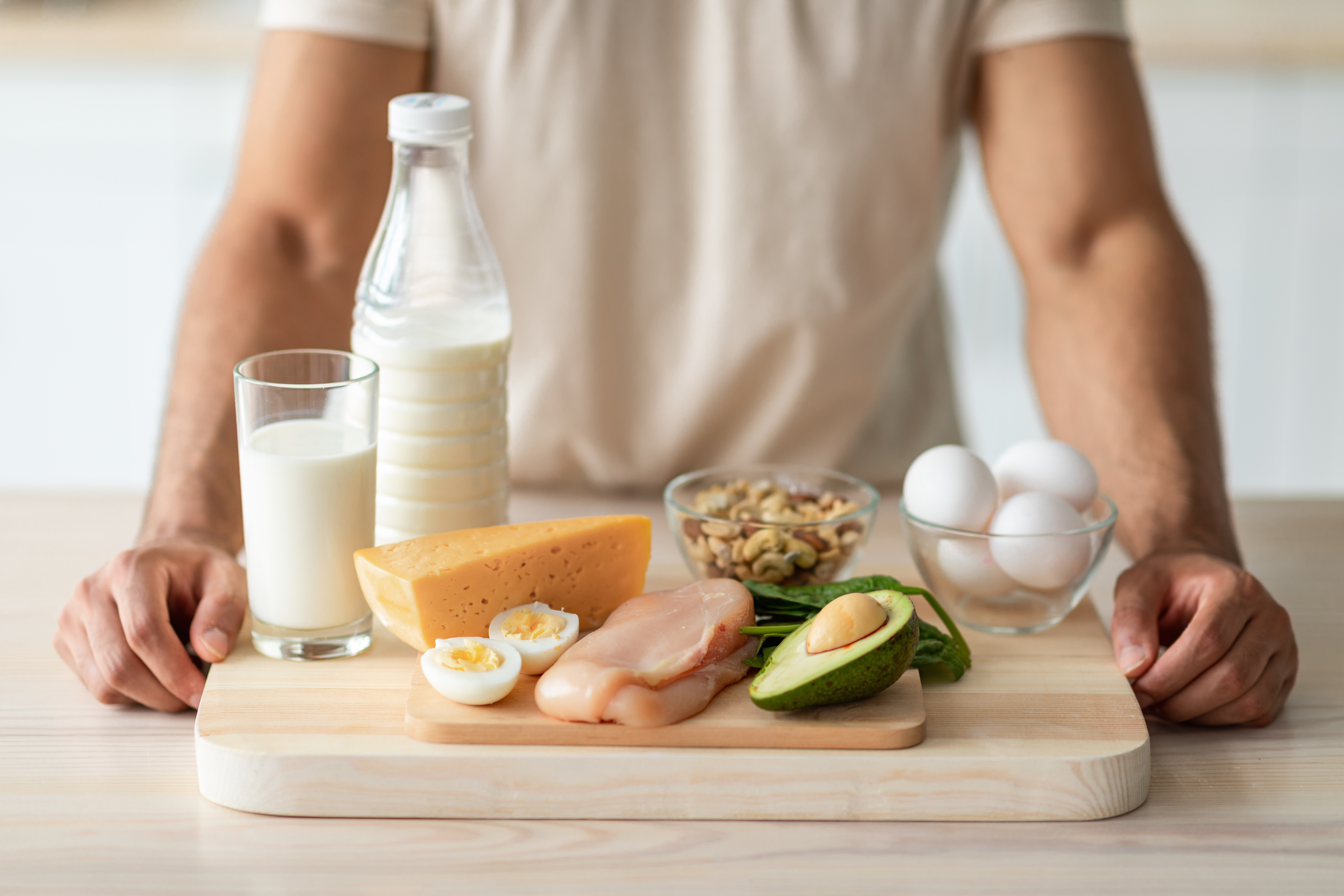
Dieting is often the hardest part of weight loss, yet it is also the most important. In fact, nutrition accounts for about 80% of successful weight loss because it's all about maintaining a calorie deficit while keeping your body fueled and satisfied.
So, what are the best foods to eat? You've probably been hearing the term "protein maxxing" a lot lately. But what's all the hype about eating enough protein?
First, calculate your daily protein intake based on your body weight and activity level. This is the amount of protein you should aim to consume each day to help maintain your muscle mass while losing weight. The goal of weight loss isn't just to lose weight. It's to lose body fat while preserving as much muscle as possible. Getting enough protein plays a key role in maintaining muscle, especially if you're exercising regularly.
Protein also requires more energy for your body to digest and process than carbohydrates or fats, meaning you burn slightly more calories during digestion. More importantly, protein is the most filling macronutrient. It helps keep you full by slowing down digestion, stabilising blood sugar levels, and increasing the release of hormones that promote fullness.
Does this mean you should only eat protein and avoid carbohydrates? Absolutely not! Carbohydrates are your body's primary source of energy. If you're staying consistent with your workouts, carbs are essential to fuel your training, helping you lift heavier, run farther, and perform at your best.
Protein Max with Heybo and Enjoy 10% Off!
If we were to break it down into simple steps, here's where you should start:
- Calculate your maintenance calories and begin tracking your daily calorie intake.
- Aim for a daily calorie deficit of 200 to 500 calories.
- Calculate your daily protein target and try to hit it consistently.
- Incorporate strength training into your routine to build lean muscle mass and boost your resting metabolic rate.
- Adjust these habits to fit your lifestyle so they remain realistic and sustainable.
Lastly, remind yourself why you're choosing to build a healthier lifestyle and who you're doing it for in the years to come. Most importantly, be kind to yourself. Weight loss and building muscle take time, and lasting results don't happen overnight.
Enjoy the process, learn what works best for you, and celebrate the small wins along the way. Success starts by simply showing up, whether that's making it to the gym or choosing a healthier meal. You've got this.
Our articles may contain affiliate links. If you buy through these links, we may earn a small commission.